The expected anion gap with normal albumin is usually in the standard normal range used by the laboratory, often around 8 to 12 mEq/L when calculated without potassium, though the specific range depends on the laboratory’s technique and analyzer. The important point is that a normal albumin level supports a more reliable anion gap result because albumin is one of the main unnamed anions that influences the result. If albumin is normal, the anion gap is less likely to be falsely low, and the result is simpler to use in acid-base balance evaluation.
That said, the number should never be read in isolation. The most useful approach is to interpret the anion gap together with the electrolyte results, the blood electrolytes, and the full clinical picture. An Anion Gap Calculator can speed up the computation, limit mistakes, and improve diagnosis accuracy when reviewing lab results.
What the Anion Gap Evaluates
The anion gap is a calculated value that enables clinicians detect hidden acid or unmeasured substances in the blood. It comes from the gap between the main measured positive and negative ions in the serum electrolytes. The most common version uses sodium, chloride, and bicarbonate. Because not every charged particle in blood chemistry is directly measured, the anion gap reflects the balance of those unmeasured anions and related compounds.
In basic terms, the calculation reflects a basic principle of electrical neutrality. Blood must stay electrically balanced, so if the measured ions do not fully account for that balance, the gap may suggest the presence of acids or other substances not listed in the routine electrolyte panel. This makes it a useful screening tool for a possible metabolic disorder.
Typical values are based on the standard formula:
Anion gap = Sodium - (Chloride + Bicarbonate)
Because the result depends on the lab method, analyzer, and local reference interval, there is no single universal number. Still, understanding the expected range helps clinicians judge whether the result fits the patient’s clinical context.
Expected Anion Gap With Normal Albumin
With albumin within normal limits, the expected anion gap value is usually the equivalent to the lab’s standard reference span. In many settings, that means about 8 to 12 mEq/L, though some laboratories use a slightly different reference interval. A typical albumin level means there is no need to correct the result for protein-related effects, which makes easier interpretation.
Why does that matter? Because albumin is negatively charged and contributes substantially to the pool of nonmeasured anions. When albumin is normal, the expected anion gap is more predictable and more reflective of true acid-base status. In other words, the measured gap is more likely to reflect the actual balance of acids, bases, and ions rather than delta ratio calculator metabolic acidosis being distorted by a low-protein state.
For practical use, a normal result does not automatically mean normal physiology, and a mildly elevated result does not always suggest disease. The number has to be interpreted with patient context, any electrolyte changes, and whether the patient has symptoms or conditions that increase the chance of acidosis.
When albumin is normal, the reference interval for the anion gap is usually not adjusted unless the lab specifically uses a different method. This is why many clinicians use a calculator or formula-based approach to confirm the adjusted result when the patient’s albumin status is uncertain.
How does an Anion Gap Calculator Works
An Anion Gap Calculator is a straightforward healthcare tool that performs the formula instantly once the user adds the electrolyte values. Many calculators use sodium, chloride, and bicarbonate from the electrolyte panel. Some versions also support input of potassium, though the sodium-based version is the most frequently used in routine care.
The calculator reduces the risk of reduce transcription errors and makes the calculation faster when reviewing blood chemistry results. It is particularly useful when clinicians need to respond promptly from raw lab values to an interpretation of acid-base balance. In that way, the tool supports accurate bedside reasoning and optimizes workflow during patient assessment.
Basic calculation steps include:
- Type in the serum sodium value. Input the serum chloride value. Input the bicarbonate value. Inspect the calculated anion gap. If albumin is low, apply albumin correction to estimate the corrected anion gap.
The calculator becomes especially valuable when a low or borderline result might otherwise be missed. Because the anion gap is a screening tool, the number should lead to further thinking rather than function as a final diagnosis. It is best used alongside the blood gas, symptoms, and the rest of the metabolic picture.
Why Albumin Affects the Interpretation
Albumin is a important negatively charged protein in blood and a major contributor to the pool of unmeasured anions. When hypoalbuminemia is present, the anion gap may look lower than expected even if there is clinically important acid accumulation. This can lead to missed recognition of a metabolic problem if the clinician does not account for the protein effect.
That is why albumin correction matters. A low albumin value reduces the baseline anion gap, so a “normal” number may actually conceal an elevated acid burden. The corrected anion gap adjusts for this and improves acid-base interpretation. In practice, this correction helps distinguish a truly normal gap from one that is falsely reassuring because of low protein.
This issue is central to accurate clinical context. For example, a patient with poor nutrition, inflammation, liver disease, or other causes of hypoalbuminemia can have a misleadingly low measured gap. By incorporating the serum albumin value, the clinician gets a more meaningful estimate of the true acid-base state.
Albumin correction is not a substitute for the full evaluation. It is one component of a broader approach that includes symptoms, medications, blood gas results, and the overall metabolic pattern. Still, it often improves diagnostic accuracy when evaluating possible acidosis.
Typical Reasons of a Elevated or Typical Anion Gap
A elevated anion gap often points toward metabolic acidosis caused by increased acid generation or reduced acid clearance. Frequent causes are lactic acidosis, ketoacidosis, and renal failure. Each of these conditions increases the amount of unmeasured acid in the blood, which raises the calculated gap.
Lactic acidosis can happen when oxygen delivery is impaired, tissue perfusion is poor, or lactate production rises because of illness or physiologic stress. Ketoacidosis arises when ketone bodies accumulate, often in settings such as insulin deficiency or prolonged fasting. Renal failure can raise acid levels in the blood because the kidneys cannot remove them properly.
Sometimes the anion gap is not elevated even when acidosis is present. This does not exclude a metabolic problem. A normal gap pattern can occur in some types of non-gap metabolic acidosis, where bicarbonate is lost and chloride rises to maintain balance. That is why the anion gap should not be used alone to exclude disease.
Common causes that affect interpretation include:
- Metabolic acidosis with added acid accumulation Lactic acidosis from impaired oxygen delivery or tissue stress Ketoacidosis due to ketone buildup Renal failure with reduced acid excretion
In each scenario, the right interpretation depends on the patient’s symptoms, medications, and other lab values. A calculator can help identify the pattern, but the diagnosis still depends on the full clinical picture.
When a Standard Anion Gap Can Be Misleading
A normal anion gap may be misleading when a mixed acid-base disorder is occurring. For example, one process may raise the gap while another lowers it, causing the measured result to appear falsely normal. This is a frequent pitfall in challenging hospitalized patients and in anyone with several concurrent illnesses.
Chronic kidney disease can also complicate interpretation. Depending on the stage and associated metabolic changes, the patient may show shifts in bicarbonate, retained acids, and changing chloride levels. The resulting lab pattern may not fit a textbook case, so the anion gap must be considered alongside the rest of the data.
Laboratory variation is another reason a normal number may not show the whole story. Differences in measurement technique, analyzer calibration, and local reporting practices can alter the reference range. Even small changes in chloride or bicarbonate can change the final calculation, so minor differences should be read carefully.
Unmeasured cations can also reduce the apparent gap. Substances such as certain ions or medications may counterbalance the expected balance and make the anion gap seem reduced than anticipated. This does not automatically mean the result is wrong; it means the interpretation requires more supporting information.
Because of these pitfalls, the anion gap should be treated as part of a broader diagnostic strategy rather than a standalone answer. The value is most helpful when paired with the blood gas, symptoms, and albumin correction.
Understanding Findings Step by Step
Evaluating the anion gap is easier when you use a systematic process. Start with the recorded electrolytes, then decide whether the result fits the patient’s overall picture. This method improves consistency and reduces the chance of missing a clinically significant acid-base disorder.
Step 1: Review the serum albumin. If the serum albumin is within range, the standard anion gap is more reliable. If albumin is low, be sure to calculate a corrected value so the result shows the patient’s true acid-base state.
Step 2: Look at the electrolyte panel. Review sodium, chloride, and bicarbonate carefully. The values in the electrolyte panel are the basis of the formula, and small shifts can alter the result. Make sure the numbers agree with the most recent blood chemistry sample.
Step 3: Compare the result with the blood gas. A blood gas can help determine whether the patient has acidemia or alkalemia and clarify whether the anion gap is clinically important. If the calculated gap is elevated but the blood gas does not support acidosis, look for a mixed process or a different reason.
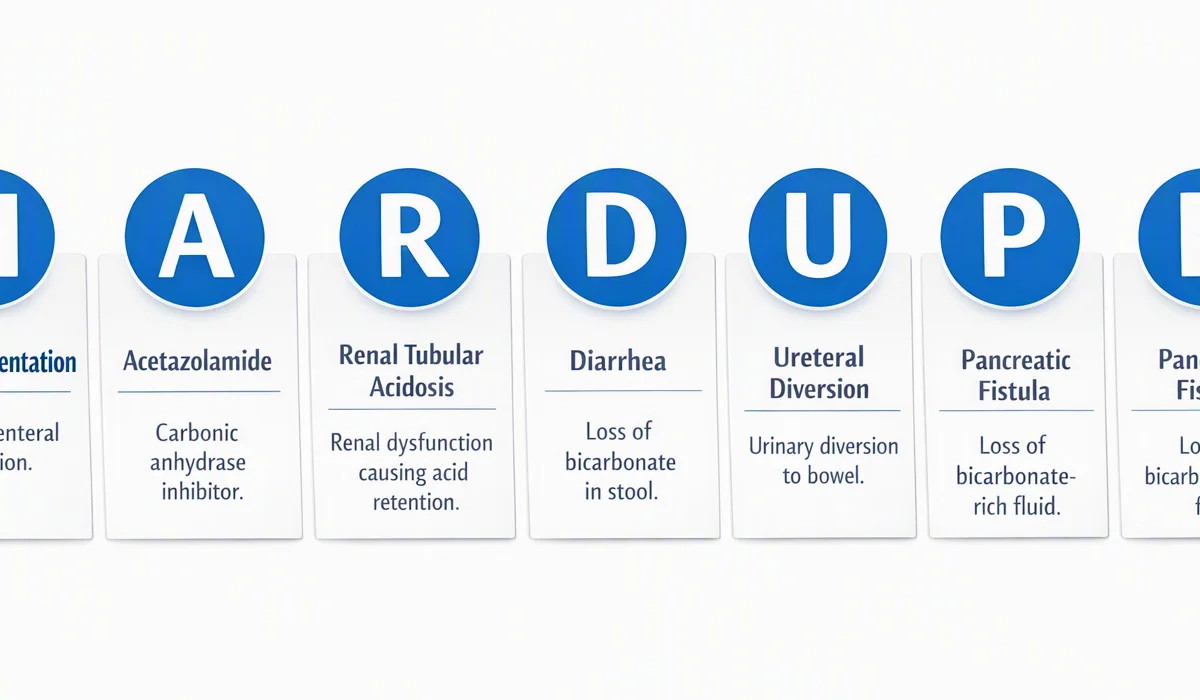
Step 4: Apply clinical context. Consider the patient’s symptoms, history, medications, and risk factors. A high gap in a patient with diabetes, poor perfusion, or kidney dysfunction may suggest different causes than the same value in a stable patient. Good patient assessment always links the math to the bedside picture.
Step 5: Use the corrected result if needed. If albumin is abnormal, the corrected anion gap may reveal a hidden abnormality. This correction is especially useful when evaluating possible acidosis because it refines the interpretation of a borderline or falsely normal value.
Using these steps helps make the result clinically meaningful rather than merely numerical. The goal is to understand whether the patient has an acid-base issue, what type it is, and how urgent it may be.
FAQ: Expected Anion Gap With Normal Albumin
What’s the expected anion gap when albumin is normal?
If albumin is normal, the expected anion gap usually lies within the lab’s standard reference range, often around 8 to 12 mEq/L without potassium. The exact anion gap range is influenced by the analyzer and local reporting method, so the laboratory’s own interval should be used for final interpretation.
Can normal albumin change the anion gap reference range?
Usually not. If normal albumin is present, the standard reference range generally applies without albumin correction. Normal protein levels make the measured gap more straightforward to read because the contribution from unmeasured anions is less altered.
How do you calculate a corrected anion gap for low albumin?
A corrected anion gap modifies the measured value upward when hypoalbuminemia is present. The exact correction method can vary, but the general idea is to account for the missing negative charge from low serum albumin. An Anion Gap Calculator can simplify this formula and improve the corrected result.
Can a normal anion gap still mean there is acidosis?
Certainly. A normal gap does not exclude metabolic acidosis. Some patients have a normal-gap metabolic acidosis, while others have a mixed acid-base disorder that masks an elevated gap. That is why the result should always be interpreted with the blood gas, the electrolyte pattern, and the overall clinical context.
When should an Anion Gap Calculator be used?
An Anion Gap Calculator is useful whenever you want a quick, accurate calculation from the electrolyte panel, especially if there is concern for acidosis, electrolyte abnormalities, or abnormal serum albumin. It is especially helpful for bedside review, when applying albumin correction, and when improving diagnostic accuracy in routine lab results.